
A slow week can make new financing feel urgent, but urgency is not a financing plan. Before you apply, identify what the money needs to accomplish and whether the shop can handle another payment when car counts dip.
Call (949) 990-5443 to review your shop's financing need . ThinkBiz Capital Group does not guarantee approval or funding.
For auto repair loans for bad credit, start by reviewing your use of funds, recent cash flow, credit reports, and the documents a lender may request. Then compare the full cost and repayment terms rather than focusing only on a payment. Less-than-perfect credit may affect available options, but no lender can promise approval.
That comparison matters because small-business financing may describe cost as an APR, total cost of capital, interest, fees, or a factor rate. The Federal Trade Commission notes that these figures can be difficult for small-business owners to compare, so a clear purpose and a realistic cash-flow test should come first. ThinkBiz Capital Group offers complimentary consultations through a lender network, but does not guarantee approval, funding, or results. Start by defining the amount, timing, and business problem the financing would address.
What should you define before auto repair loans for bad credit?
When credit is less than perfect, the most useful starting point is not a score. It is a clear description of what your shop needs and how the money would support the business. That gives you a more practical basis for discussing auto repair loans for bad credit and helps you avoid comparing financing that does not fit the problem.
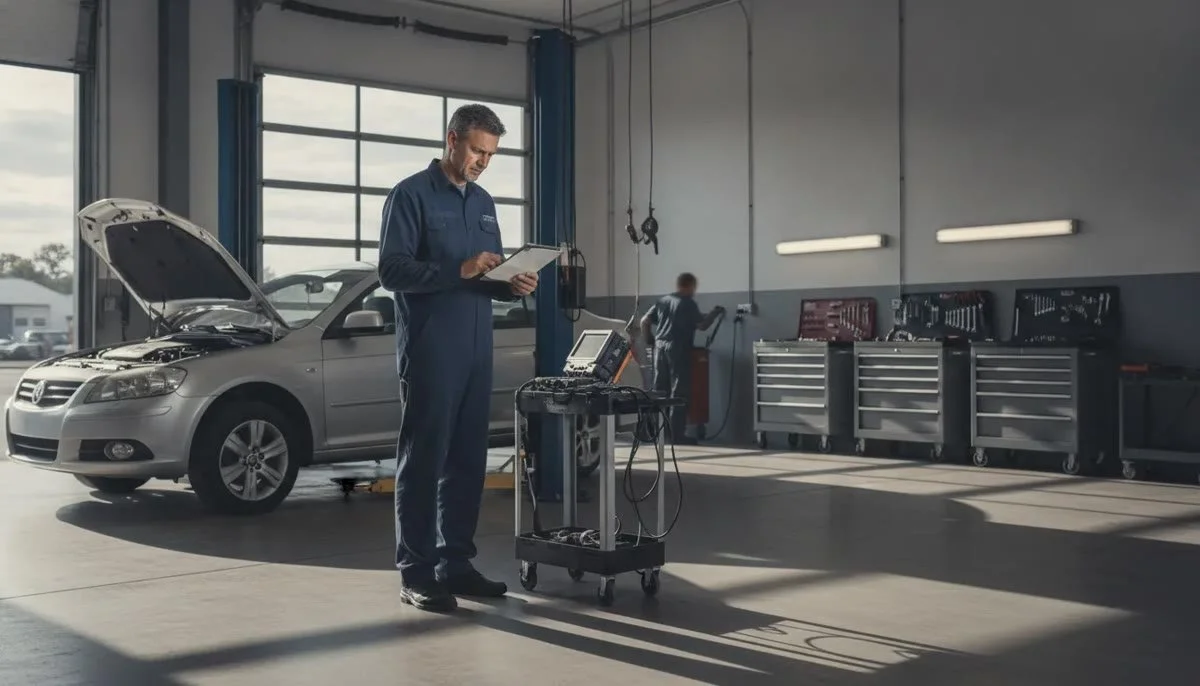
Start by writing down the immediate need, the expected cost, and what changes after the expense is covered. For example, a failed lift or alignment rack may be stopping technicians from completing common jobs. An unreliable diagnostic system may slow inspections or send work elsewhere. A gap in parts inventory may delay repairs even when customer demand is steady. These are different uses of funds, and each may call for a different conversation with a lender.
Cash flow needs deserve the same attention. If commercial invoices are still open, you may need to cover one payroll week before receivables arrive. That is a timing issue, not the same as buying equipment. A shop improvement, such as adding a bay, may have a longer payoff period and a larger effect on capacity. ThinkBiz Capital Group's industries guidance identifies tools, diagnostics systems, parts inventory, and shop improvements as common automotive repair needs.
What expense must be covered first?
Is the need a one-time purchase, a short cash-flow gap, or a capacity improvement?
What can the shop reasonably repay during a slow week?
What records can support the amount and intended use?
ThinkBiz Capital Group helps business owners explore financing through a lender network. The site advertises an overall range of $5,000 to $5,000,000, but that figure is not an offer, approval, or promise that a particular shop will qualify. The company does not guarantee approval. If you want to compare the broader landscape, review these auto repair loan options alongside the specific need you have defined.
How do you test the payment against shop cash flow?
A payment can look manageable on a strong month and become difficult when the shop has fewer tickets. Commercial customers pay late, or parts must be purchased before a job is collected. Before considering auto repair loans for bad credit, test the proposed payment against the week you would least like to repeat. A complimentary consultation can help you organize the questions, but the cash-flow test should start with your own records.
Write down the proposed payment and its schedule. Record the amount, whether it is due daily, weekly, or monthly, and the first expected due date. Do not rely on a description such as "flexible" or "fast." Ask how the agreement describes the cost, including any interest, fees, total cost, or factor rate. The Federal Trade Commission notes that small-business financing may use different cost descriptions, which can make offers harder to compare: read the FTC discussion.
Build a slower-week version of your cash flow. Start with fewer completed tickets than usual. Then delay commercial or fleet payments in your worksheet to reflect when the money may actually arrive. Include parts bought before collection, along with payroll, rent, utilities, and other bills that do not pause when sales slow. The question is not whether the shop can make the payment in its best week. It is whether the payment still fits after these timing pressures are included.
Check the order of cash in and cash out. A shop may show revenue on paper while its bank balance is under pressure because parts vendors are paid first and customers pay later. Compare the dates of expected deposits with the dates of the proposed withdrawals. If one withdrawal would force you to delay payroll, parts, rent, or another essential bill, treat that as a warning rather than assuming the next busy week will solve it.
Separate a one-time purchase from a repeating gap. A lift, diagnostic system, or shop improvement may be a one-time use of funds. A recurring shortage caused by delayed collections or ongoing operating costs is different. Financing a permanent gap does not fix the underlying timing problem, so identify what changes after the purchase and what repeats every week or month.
Run the test again before accepting. Review the worksheet with current statements and ask what happens if payments arrive later than expected. If the offer only works under optimistic assumptions, pause and compare other shop financing guide or ask for clarification before signing.
Which credit records should you review first?
Before you apply for auto repair financing, start with a clear picture of what a lender may see. Pull your personal credit report and review the business credit file if your shop has one. A small business may have little or no separate credit history, so do not assume the absence of a business file is automatically a problem. The goal is to know what information is current, what needs explanation, and whether the application details will match the records.
Look closely at recent missed payments, accounts in collections, charge-offs, and other items that could raise questions. Check the account names, balances, dates, and payment status for errors. If something is inaccurate, gather supporting documents and follow the reporting agency's dispute process before submitting an application. If a late payment or collection is accurate, be prepared to explain the circumstances briefly and factually. Avoid minimizing it or making a promise you cannot support.
A credit score is only one input. Depending on the financing product and lender, the review may also include the shop's revenue, time in business, and recent business bank activity. Bank statements can show deposits, recurring expenses, transfers, and how consistently the business manages available cash. That context matters when you are considering financing for a diagnostic system, parts inventory, payroll gap, lift, or another shop improvement.
Pull the records early, then compare them with the documents you plan to provide. ThinkBiz's intended audience includes established owners with a business checking account and consistent revenue, but those audience details are not a lender approval standard. No lender or financing network can guarantee an approval based on a score, revenue figure, or single document.
If you are comparing a business loan with bad credit, use the broader guide for a general discussion of costs and financing structures. This article stays focused on the shop review: understanding your credit records and cash-flow picture before you compare auto repair loan options.
What shop records should you gather?
Before discussing auto repair loans for bad credit, gather records that help explain your shop's identity, cash flow, and intended use of funds. Having them in one folder can make the conversation more focused, but a document request is not a universal underwriting rule. Each lender or financing partner may ask for different information.
ThinkBiz Capital Group's homepage lists these documents as a starting point.
Four months of business bank statements.
A business voided check.
A valid driver's license.
Proof of business ownership.
Bank statements can give a financing provider context about deposits, recurring obligations, and the way money moves through the business account. They are not the only consideration, and they do not guarantee an approval. For a deeper explanation of the kinds of details providers may review, see this guide to what lenders review in bank statements.
Next, document why the shop needs the money. A written quote for a vehicle lift, diagnostic system, or other improvement is more useful than a general estimate. Add a simple list of what the funds would cover, such as a particular repair machine, parts inventory, or a shop improvement. If inventory is the need, recent parts invoices can help show the type and timing of the purchase.
When the request involves one specific machine, keep the seller's quote, equipment description, and any related invoice together. You can also review this overview of equipment financing for small business auto shops for additional context.
Do not alter statements or leave out obligations to make the file look stronger. Instead, use the records to prepare clear questions about the possible structure, total repayment, timing, and use-of-funds requirements. A complete file gives you a better basis for comparing an option with the shop's actual cash flow, especially when a less-than-perfect credit history is part of the conversation.
How should you compare offers when credit is imperfect?
When you review auto repair loans for bad credit, do not compare only the amount that appears at the top of an offer. A repair shop needs to know what will actually reach its account, how payments fit a slow week, and what rights or assets may be at risk. ThinkBiz can help owners explore financing categories through its services and financing options, but ThinkBiz does not guarantee an offer, approval, funding, or any result.
The Federal Trade Commission explains that the Truth in Lending Act generally requires APR disclosure for personal credit but generally does not apply to small-business financing. As a result, business financing costs may be presented as APR, total cost of capital, fees, or a factor rate, and those figures can be difficult to compare. Ask for the dollar amounts and payment terms in writing, not just a single percentage. Use this checklist when reviewing an offer.
Questions to ask before accepting repair shop financing.
What to check. Why it matters for a repair shop. Question to ask. Amount funded versus amount requested. Origination costs or withheld amounts may leave less cash for a lift, diagnostic system, parts, payroll, or a shop improvement. How much will be deposited, and what is deducted before funding? Payment amount and how often Daily or weekly withdrawals can place more pressure on cash flow than a shop expects during a slow week. What is each payment, when is it due, and can the amount change? Total amount you would repay The total shows the full cost more clearly than a rate label alone. What is the total dollar amount paid from start to finish? Fees Application, origination, processing, or other charges can change the true cost and net proceeds. List every fee, when it is charged, and whether it is withheld from funding. Collateral or a lien on the lift or other equipment A secured obligation may affect equipment ownership or what happens after missed payments. What assets secure this offer, and how is the lien released? Personal guarantee A guarantee may make you personally responsible if the business cannot repay. Am I guaranteeing the balance personally, and under what conditions? What happens if you pay early Some fixed-fee products may not reduce their cost when repaid early. Is there a prepayment penalty, and does early payoff reduce the total cost? Whether a confession of judgment is in the contract Some financing contracts have used this provision, which may waive the right to contest a collection lawsuit. Does the agreement contain a confession of judgment or similar collection waiver?
Read the complete agreement before signing and ask about any term you cannot explain. A financing offer should be measured against the shop's expected cash flow, not just its speed or approval likelihood.
Source: FTC Bureau of Consumer Protection, "Strictly Business" Forum Staff Perspective (February 2020).
When should you pause instead of applying?
A financing request deserves a pause when the payment would add pressure your shop cannot reasonably absorb. Test the proposed payment against a slow week, not a strong month. If the numbers work only when extra repair orders appear, the plan is not ready. Review your recent cash flow, fixed expenses, payroll obligations, and the timing of customer payments before taking the next step.
It is also wise to pause when you cannot explain the contract in plain language. Ask how repayment works, what the total cost is, whether payments change, and what happens if revenue falls short. Small-business financing may describe cost in different ways, and comparing those figures can be difficult. The Federal Trade Commission's discussion of small-business financing disclosures is a useful reminder to read the agreement carefully and question unclear terms.
A current default is another reason to slow down and get advice before applying. That does not create a secret approval cutoff, and it does not tell you what a lender will decide. It does mean your financial position may need a closer review before you add another obligation. Be open about the situation rather than assuming that an application will solve it.
On the other hand, a defined need, such as a documented equipment purchase or inventory requirement, can be a reasonable reason to have a consultation. Organized records can help you discuss the use of funds, but they are not a promise of approval. ThinkBiz Capital Group works through a lender network and does not guarantee approval or funding.
If you want another perspective, you can request a complimentary consultation or call (949) 990-5443. The purpose is to review your situation and possible next steps, not to promise that financing will be available.
If the records and the slow-week test are ready, talk with ThinkBiz Capital Group or call (949) 990-5443. A consultation is a review of options, not a promise of approval, a rate, or funding.
Frequently Asked Questions
What should I identify before seeking financing for my shop?
Start with the specific use of funds, such as a lift, diagnostic system, parts inventory, payroll gap, or shop improvement. Then estimate the amount needed and separate an essential repair or purchase from an expense that can wait. A clear purpose can make it easier to compare options against the shop's actual needs.
How can I test whether a payment fits my cash flow?
Review recent business deposits and expenses, then test the proposed payment against a slower-than-usual week. Leave room for parts, payroll, rent, taxes, and unexpected repairs instead of relying on an average week alone. If the payment would require consistently strong sales, the offer may put too much pressure on cash flow.
Which credit information and shop records should I review?
Pull the credit file the provider is likely to review and check it for errors, unfamiliar accounts, and outdated information. Also organize business bank statements, revenue records, ownership information, and a current list of obligations. ThinkBiz Capital Group's homepage lists four months of business bank statements, a business voided check, a valid driver's license, and proof of business ownership as requested documents, not a universal underwriting rule.
What should I compare in a financing offer?
Ask how the cost is calculated, including any interest, fees, factor rate, or total repayment amount, and confirm the payment frequency, term, collateral, personal guarantee, and consequences of late payment. Small-business financing may not receive the same APR disclosure as personal credit, and costs can be described in several ways, so compare the total obligation in writing. The Federal Trade Commission discusses these comparison issues.
Ready to review your financing options?
A clear financing conversation can help you compare potential next steps with your shop's needs in mind. Request a complimentary consultation to discuss the financing need and questions you want to bring forward. You can also call Think Biz Capital Group at (949) 990-5443. This conversation is an opportunity to review your situation without assuming approval, a particular rate, same-day funding, or a specific loan amount. A consultation reviews your situation. It is not an offer.
